Top 5 LED Display Trends Changing Outdoor Advertising
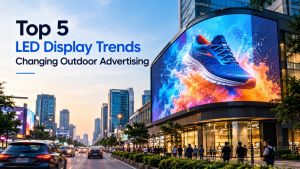
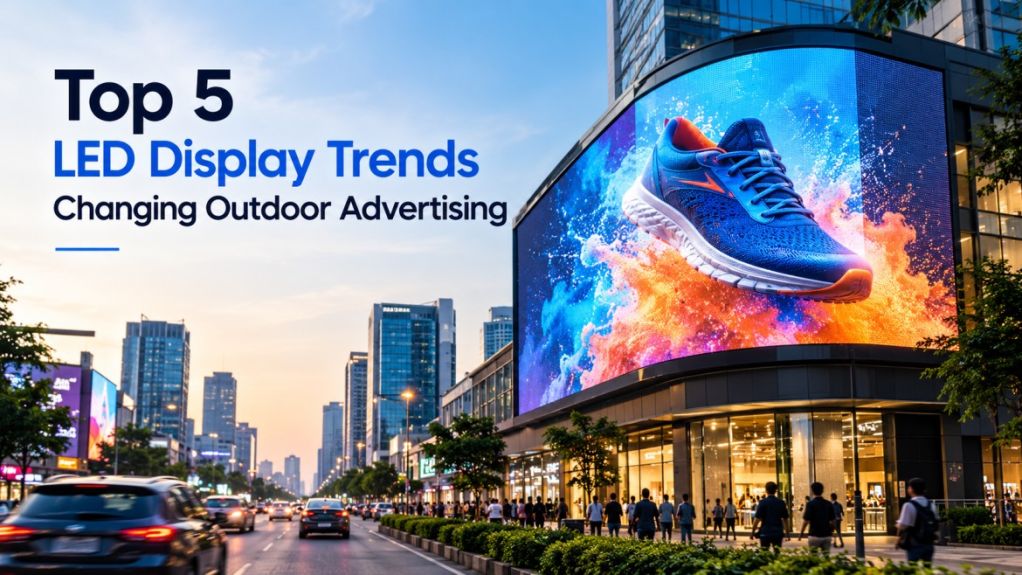
Stand on a busy street for a while and you’ll notice something. People don’t really stare at ads. They notice whatever breaks their routine. A screen that makes a product look like it’s coming out of a building does that job better than most. Heads turn. Phones come out.
That’s the real pull of modern LED technology. It takes a normal advertising spot and gives people a reason to stop scrolling through their day.
Outdoor advertising has moved well past posters and printed messages. LED screens have changed how brands grab attention and try to keep it. Here are five trends that are making a difference right now.
1. Naked-Eye 3D Is Making Ads Unforgettable
Why leave an ad sitting flat on a screen when it can look like it’s stepping right out of it?
Naked-eye 3D works by playing with visuals, perspective and how the screen is set up. No glasses needed. It usually looks strongest on curved or corner-mounted LED screens, and it lands best when people are viewing from the right angle. Done properly, products and characters can feel almost solid.
This works especially well for LED screen branding in busy commercial areas. But the tech alone isn’t enough. A sharp idea still matters more. The good ones turn a few seconds of looking into something people actually talk about later.
2. Sharper Displays Are Improving Visual Impact
A screen can look fantastic from two metres away and vanish once you step further back. Sunlight makes that problem worse.
That’s why outdoor LED displays keep improving resolution, contrast, brightness control and colour accuracy. Pixel pitch plays a big part too. It’s simply the gap between pixels. A tighter pitch gives finer detail, especially when people are standing close. A rough guide is that the pitch in millimetres roughly matches the minimum comfortable viewing distance in metres. So a 4 mm pitch works better for people about four metres away or more.
Choosing the right display comes down to where it’s going, how far people will actually stand, and how much light hits the surface. Get those basics right and the picture holds up.
3. Transparent and Mesh LED Screens Are Transforming Spaces
Not every advertising screen needs to be a solid wall.
Visible content on screens was previously opaque and blocked views. Transparent and mesh LED displays change the content's position and interaction with views, allowing for more creative architectural and commercial installations.
The building stops acting like a simple backdrop. It becomes part of the message. That gives LED digital screen advertising a different feel — the display belongs to the place instead of looking stuck on top of it.
4. Smart Technology Is Making Campaigns More Flexible
Running the exact same message from morning till night isn’t always necessary anymore.
Modern LED systems can schedule content, take remote updates and change campaigns based on the time of day or what’s happening around them. A retailer might run a general brand message in the morning and switch to a specific offer later in the day.
Some setups also use sensors and basic data tools to adjust brightness or help with planning. QR codes fit in naturally here. Someone can scan one, check a product, open a site or claim an offer on their phone without much effort.
All of this makes LED screen advertising easier to adapt. Nothing physical has to be swapped out every time the message changes.
5. Energy Efficiency and Easier Maintenance Matter More
The visuals get the attention. Keeping the screen running is what keeps it useful.
Newer LED technology puts more focus on energy efficiency, better heat management and tougher construction. Modular parts also make maintenance simpler in many cases. Remote monitoring can help operators spot certain problems before they turn into long downtime.
Outdoors, weather is always a factor. Rain, dust, strong sun and local conditions should influence which screen gets chosen. Checking the IP rating is worth the few minutes it takes.
These practical upgrades make LED digital screen advertising more reliable over time. The brightest screen isn’t automatically the best one. The best one fits the location, the campaign and the weather it will actually face.
The Future of Outdoor Advertising with Zero Degree
LED technology gives brands more ways to tell their story in public spaces. Immersive 3D, flexible content and smarter display management are shifting what people expect from outdoor advertising.
At Zero Degree, we help brands look at outdoor advertising options that match their visibility goals and the audiences they want to reach. Billboards, hoardings, LED screens, transit advertising - the goal stays the same. Make every message count, and give LED screen branding a proper chance to be remembered.
In a world full of things competing for attention, the brands people actually remember are usually the ones that gave them a real reason to look.