>

Screenverse and SOMO Launch 4,000 Digital Taxi Tops Across New York City: A New Era in Urban Advertising

Screenverse, a leading player in the digital out-of-home (DOOH) advertising space, and SOMO, a prominent digital media company, have joined forces to launch a fleet of 4,000 digital taxi tops across New York City. This groundbreaking initiative marks a major leap forward in the city’s advertising landscape, leveraging the mobility and visibility of taxis to create a dynamic, high-impact advertising platform that targets New Yorkers and tourists alike.

A Dynamic, Mobile Advertising Platform

The 4,000 digital taxi tops will serve as mobile billboards, offering advertisers a unique opportunity to reach one of the world’s largest and most diverse audiences. Unlike traditional static advertisements, these digital displays are equipped with advanced LED screens that offer real-time content updates and geo targeting capabilities. This allows brands to tailor their messages based on the location, time of day, and even the demographics of the area the taxi is passing through.

Whether cruising through Times Square, stopping in SoHo, or navigating the Upper East Side, these taxis will deliver eye-catching, contextually relevant ads that engage consumers in the heart of the city. The campaign’s mobility enables advertisers to reach audiences in constantly changing environments, increasing visibility and engagement as taxis move throughout the city’s bustling streets.

Revolutionising New York’s Advertising Ecosystem

For advertisers, the launch of this fleet offers a new frontier in out-of-home advertising. With the ability to program multiple, rotating ad creatives on the same screen throughout the day, companies can run more versatile campaigns than ever before. Advertisers can switch between promotions for the morning commuter crowd, evening events, or late-night dining, enhancing the relevance of their messaging.

This move also represents a shift toward data-driven advertising. By utilising geofencing technology, the digital taxi tops can display location-specific ads in real-time, enabling brands to directly target key areas like Wall Street, Central Park, or Brooklyn with highly personalized messaging. This level of customization significantly enhances the ability to target different consumer groups, offering a more efficient use of advertising budgets.

Strategic Partnership: Screenverse and SOMO

The partnership between Screenverse and SOMO plays a crucial role in making this venture possible. Screenverse, known for its leadership in the DOOH space, brings its expertise in managing digital advertising networks, while SOMO leverages its experience in digital media and technology to provide the platform for real-time ad deployment. Together, they are transforming the way brands can connect with consumers on the move.

Screenverse’s extensive experience in the out-of-home media market and SOMO’s proficiency in data analytics and digital content delivery make this collaboration a game-changer for advertisers looking to capitalize on New York City’s massive urban reach. The digital taxi tops are expected to become a powerful advertising medium, driving real-world results for a variety of industries, from retail and entertainment to technology and hospitality.

Impact on New York City’s Urban Landscape

In addition to providing a cutting-edge advertising solution, the digital taxi tops are poised to blend seamlessly into New York City’s vibrant urban environment. The bright, high-resolution screens will add a modern flair to the traditional yellow taxi fleet, creating a fusion of technology and culture that reflects the fast-paced, ever-evolving nature of the city itself.

By transforming taxis into moving billboards, the initiative not only enhances brand visibility but also contributes to urban aesthetics, turning everyday city scenes into a dynamic showcase of content. This continuous movement across all boroughs—from Manhattan to Brooklyn and Queens to the Bronx—ensures that the ads are not just seen but remembered.

Future of Urban Advertising

The launch of 4,000 digital taxi tops in New York City signals the start of a new era in DOOH advertising, where mobility, technology, and data combine to offer unprecedented reach and personalization. As more cities explore similar advertising models, Screenverse and SOMO’s collaboration serves as a blueprint for how brands can effectively engage with modern, urban consumers in a rapidly changing media landscape.

For New Yorkers, these digital taxi tops may become an iconic part of the cityscape, much like the billboards of Times Square, offering a new layer of interaction between the urban environment and digital media. For advertisers, they represent an innovative tool to capture the attention of millions, driving brand awareness and consumer engagement in one of the world’s most media-saturated cities.

With digital out-of-home advertising on the rise, the Screenverse-SOMO partnership is set to redefine how brands communicate with audiences in one of the most competitive markets in the world. The combination of technology, data, and creativity ensures that this new medium will offer high-impact results for years to come.


Latest Blogs
Why have LED screens become popular for outdoor advertisements?
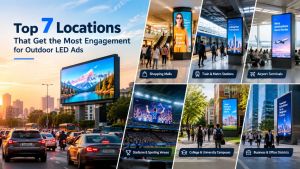
Walk through any busy city street, shopping mall, or highway, and one thing is impossible to miss : the glowing, vivid LED screens displaying everything from fashion brands to restaurants. Outdoor advertising has undergone a dramatic transformation, and LED screens are at the heart of it. But what exactly is driving their explosive popularity? Let's find out. Dynamic Content That Grabs Attention  The biggest reason LED screens dominate outdoor advertising is their ability to display motion. Unlike traditional outdoor advertising that requires physical printing and manual changeover, LED  billboard advertising offers dynamic content that can be updated instantly. Digital LED advertising screens can do things that are impossible for static displays : they provide entertainment and interactive content relevant to crowds, activities and time of day. A restaurant can advertise its lunch specials at noon and switch to dinner deals by evening, all without printing a single poster.  Unmatched Visibility, Day and Night A major advantage of advertising LED display screens is that they cut through direct sunlight to keep messages sharp and easy to read even on the brightest days. Here are few key factors that make them super effective :  • Clear and readable even in direct sunlight. • Bright visuals stand out in crowded spaces. • Remain highly visible after dark. • Deliver 24/7 brand exposure. • More effective than static billboards at night. Also check this blog : Outdoor LED Advertising Screen: A Complete Guide for Businesses Engineered for All Weather Conditions  The outdoor environment may sometimes pose difficulties, but the LED billboard advertising screens can withstand such challenges. Built using sturdy materials that are resistant to harsh weather conditions, they are capable of operating well under any circumstances like heavy rains, dust and unbearable heat. With LED advertising displays, you will not have any problem communicating your message to your audience. Cost-Effective in the Long Run As fully digital, advertising led display screens do not require constant changing. Thus, they significantly eliminate recurring print and labor expenses, saving money to a great extent. No printing costs mean unlimited content updates at no additional charge. Compared to traditional billboards, LED billboard advertising is a versatile and cost-effective option for businesses as they let you run multiple campaigns on a single screen. Interactive Experiences  At present, LED billboard advertising is not only used as an advertising tool. It also helps keep customers engaged for longer and encourages them to participate in advertising activities.  • QR Code Integration • Interactive Games • Touchscreen Features • Social Media Engagement Why LED Advertising Is Here to Stay LED advertising has redefined what outdoor promotions can achieve. It combines visual brilliance, smart technology, durability, and cost efficiency into one powerful platform. As cities grow and consumer attention becomes harder to capture, advertising LED display screens are not just a trend : they are shaping the future of brand communication. At Zero Degree, we help businesses maximize visibility and engagement through strategic LED billboard advertising.
June 17, 2026
Choosing the Right Type of Outdoor Advertising for Your Brand
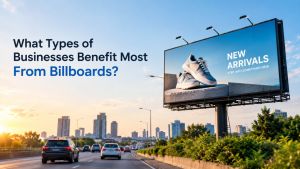
Brands often waste valuable advertising budgets by investing in outdoor formats that fail to match their marketing objectives. As a result, their message does not reach the intended audience despite spending a large amount of money.  This is why choosing the right outdoor advertising agency matters the most.  Zero degree is one of the best outdoor advertising agencies, offering different types of advertising options that become the voice of your brand. In this article, we will provide information to help you better understand outdoor advertising and choose the right format for your brand. Why format choice matters  Different brands have different ways of running their businesses and therefore require different approaches. The format you choose shapes everything: who sees your brand, how long they engage with it and what it costs you to reach them. Brands that are looking to make an impact on a city level, such as launching an application or promoting consumer goods, can benefit from using billboard and screen media formats. For those targeting a specific region or commuting audience, formats like street furniture and transit media are going to give you much better reach. Know Your Formats Before You Book  1) Mass reach Mass-reach formats are designed to show your brand to the biggest possible audience. These include large billboards installed in highways, main roads and in shopping malls which ascertain that brand messages reach the intended audience. Some of the best outdoor advertising agencies also recommend this format for product launches, campaigns and businesses to make maximum impact across an entire city or region. 2) Transit Media In transit advertising, your message moves with your audience. Bus shelter, metro branding and other transit formats allow brands to reach people who are on the move. Outdoor advertising agencies often target working professionals and daily commuters, ensuring repeated exposure in different areas. 3) Street-Level Visibility Street furniture formats such as kiosks and benches enable brands to reach their target market on a local level. They can be set up in shopping locations, residential neighborhoods, and popular pedestrian areas where constant contact with the local residents can be made. 4) Digital OOH Among the various formats that are available, digital outdoor advertising is the most advanced version, as it is flexible and can be monitored in real-time. Brands can benefit from the dynamic nature of DOOH by updating creatives instantly and schedule ads for specific times of the day. Conclusion Format is strategy. Choose well and your brand shows up exactly where your audience is, as often as it needs to. Choose poorly and even the finest creative gets doomed. This is why selecting the ideal outdoor advertising format is a crucial element in delivering the best output. Zero Degree is South India’s leading outdoor advertising agency, ensuring your brand is seen by the right people, in the right place, at the right time.
June 3, 2026
How Metro Pillar Advertising Builds Repeated Brand Visibility in High-Traffic Zones
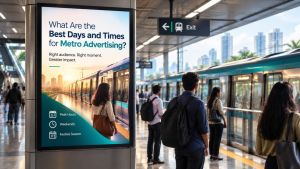
How do some brands remain instantly recognizable even in crowded cities filled with advertisements everywhere? The answer often lies in repeated visibility. When people continuously notice the same brand during their daily commute, that brand naturally stays in their memory. This is exactly why metro pillar advertising has become one of the most effective outdoor advertising methods in urban areas. Placed along busy metro routes and high-traffic roads, metro pillars help brands stay visible throughout the day. But what exactly makes this form of advertising so powerful? The biggest reason is the impact of repeated exposure. The Power of Repeated Visibility One of the strongest advantages of metro pillar advertising is that commuters see the same advertisements repeatedly while travelling through the city every day. Whether they are driving, taking public transport, or walking through commercial areas, these advertisements remain constantly visible. Repeated exposure like this will enhance the recognition of a brand. Gradually, individuals will start noticing the company's logo colours, slogan, and images subconsciously. Yet, simply seeing the ads continuously won't suffice. The placement of these ads is equally important for their success.  Strategic Placement in High-Traffic Areas The effectiveness of metro pillar branding lies in the fact that it takes into account positioning. These pillars are typically installed on key streets, crossroads, shopping places, and business zones where thousands of people pass each day. Thus, due to the high natural flow of traffic at such sites, brands can benefit from continuous exposure for 24 hours. The metro system is one of the most crucial urban transportation systems especially in rapidly growing cities like Kochi. One of the factors which explains the increasing popularity of Kochi metro branding is precisely that. However, not only attracting people's attention is what higher visibility leads to. Building Stronger Brand Recall Through Consistency With continued exposure to the same ad in various places, the brand starts to become more familiar to consumers. This will allow consumers to build a level of familiarity and trust for the brand. This is what makes companies opt for metro pillar branding rather than just doing short-term promotional ads. The continued exposure ensures that the brand stays relevant in the mind of the consumer whenever they think of the relevant product. There is also the added advantage of being cost-effective. Cost-Effective Outdoor Advertising With Wide Reach Compared to several other outdoor advertising options, metro pillar advertising delivers a broad audience reach at a pretty manageable cost. One campaign placed across various metro pillars can end up giving a strong presence along key city routes, not just in one small corner. For businesses that are aiming at city based audiences, Kochi metro advertising gives a useful chance to connect with commuters, office staff, shoppers, and even travellers daily. So it works well for small local ventures, as well as for established brands that want to sharpen their market visibility, steadily over time.  Final Thoughts With the growth of cities and the increasing competition for gaining customers’ attention, the importance of continuous presence is even more critical than before. The use of metro pillar advertisements will ensure consistent presence of brands in congested areas. Through strategic placement, continuous exposure, and impactful visuals, metro pillar branding continues to be a highly effective advertising solution for businesses looking to strengthen their presence in urban markets. In developing commercial cities like Kochi, Kochi metro advertising is becoming an increasingly powerful way for brands to stay connected with their audience every single day.
June 3, 2026
Pole Kiosk Advertising Benefits Every Business Should Know
Have you ever noticed ads that stay with you even after you’ve passed them? That’s exactly the kind of impact pole kiosk advertising creates. These small but powerful displays placed on street poles quietly influence how people see and remember brands in their daily lives. So what exactly is pole kiosk advertising? This is a type of advertising that occurs outdoors and involves placing promotional messages on street poles, lamp posts, or other structures. In today’s world, this idea has further advanced into the digital age through the advent of digital kiosk display systems. These involve the use of screen-based displays instead of static panels for delivering dynamic messages. But why do businesses still rely on something so simple in a digital world? Because visibility in real-life spaces still matters. Traditional pole kiosk advertising ensures repeated exposure in physical environments, while digital versions like digital kiosk display units add motion, brightness, and flexibility. Together, both traditional and digital kiosk advertising help brands stay present in human movement each day. Can repeated exposure really influence customer decisions? Yes and often more than we realize. When a person sees a brand message daily on their route whether through static pole kiosk advertising or rotating content on a digital kiosk display it builds familiarity. And familiarity often turns into trust without conscious effort.  What makes this form of advertising so powerful locally? Because it speaks directly to location-based audiences. Businesses can place messages near markets, residential areas, or commercial hubs. Whether it’s traditional pole kiosk advertising or modern digital kiosk advertising, the goal remains the same—reaching people exactly where they are. Is simplicity really an advantage in advertising? Absolutely. Even in a digital kiosk display, the most effective messages are still simple and clear. Limited space encourages strong visuals and direct communication, making it easier for people to remember the brand. What about cost—does it fit small businesses too? Yes. Compared to large billboards or continuous online campaigns, both pole kiosk advertising and digital kiosk advertising options are relatively cost-effective. This makes them accessible even for small and medium businesses looking for strong visibility. So what is the real takeaway from all of this? Pole kiosk advertising, along with its modern evolution into digital kiosk display systems, offers a powerful mix of visibility, locality, and recall value. It blends traditional presence with modern technology. And that’s the real power, isn’t it? When a brand becomes part of someone’s daily environment whether through a pole kiosk advertising setup or a digital kiosk advertising screen it stops feeling like advertising and starts feeling familiar. And familiarity is what turns visibility into trust and trust into action.
May 25, 2026